
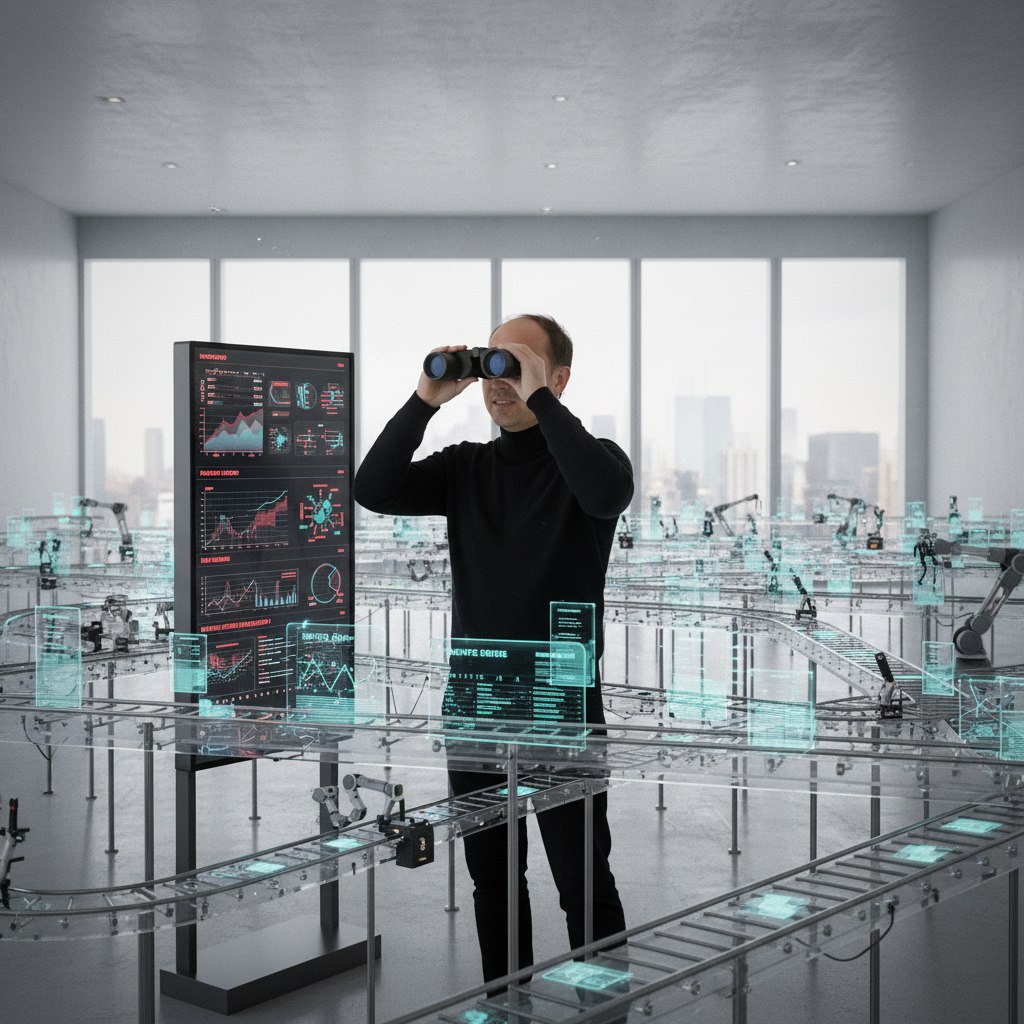
At some point the work changes character.
The systems are connected. Invoices come in and get processed. Payments match. Bank transactions reconcile. The repetitive manual work is gone.
And then someone asks: what’s next?
This is where most automation projects stall — not because there’s nothing left, but because the next layer is less obvious. You’re not replacing a manual step anymore. You’re building something that didn’t exist before.
What tends to work well at that stage: anomaly detection.
Not more automation of normal transactions — something that watches the normal flow and flags when something’s off. An invoice from a vendor that’s 40% higher than their last three. A payment that went out twice in the same week. A spend category that jumped unexpectedly without a corresponding approval.
These things happen in every business. They usually get caught at year-end review, if they get caught at all. Most of the time it’s not fraud — it’s a duplicate submission, a misrouted invoice, a contract that wasn’t updated after a price change.
The cost isn’t usually huge. The accumulation is.
Once you have clean transaction data flowing through a system, building anomaly detection on top isn’t complicated. The history is already there. The patterns are already there. You just need something that compares each new transaction to what’s expected and surfaces the outliers.
It doesn’t look impressive in a demo. But it’s the kind of thing that makes a CFO trust the books.
That trust is worth a lot.
Three nearby posts worth opening next.
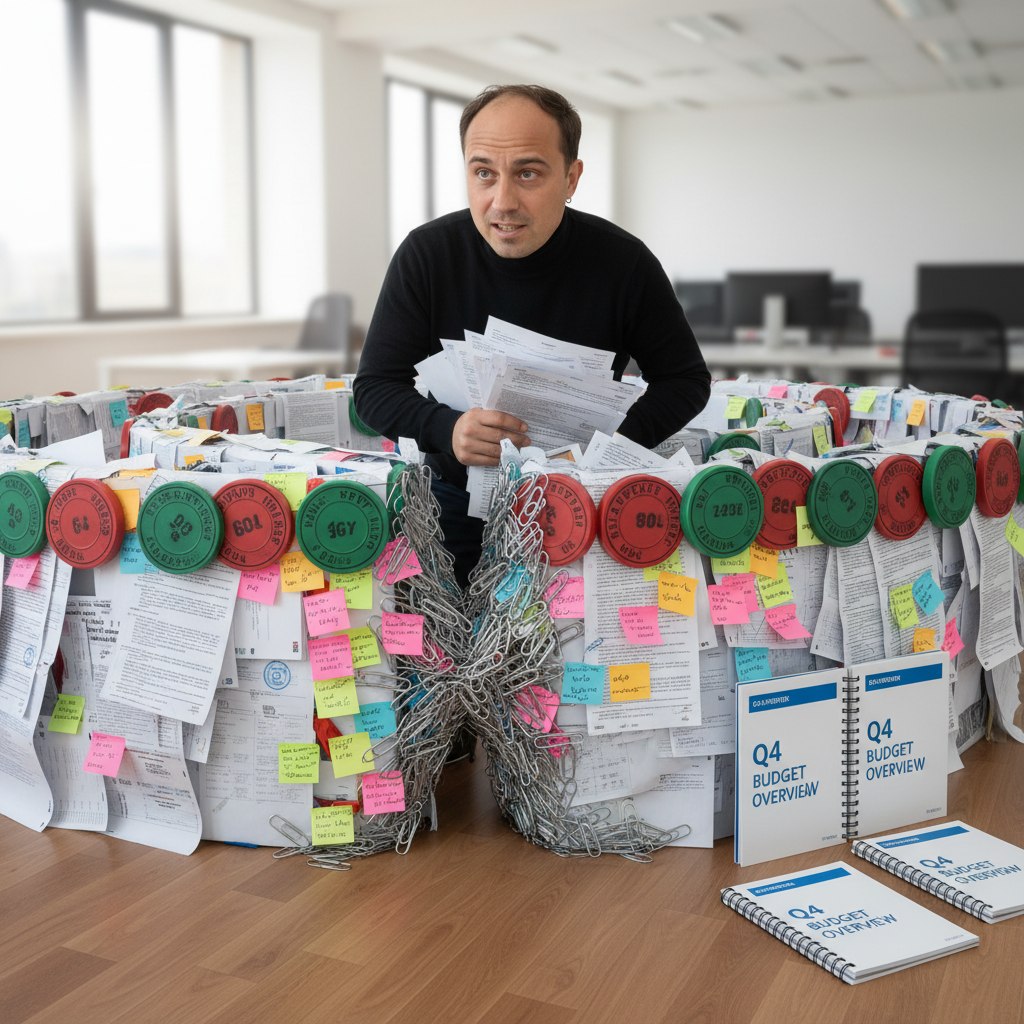
May 5, 2026
Most close automation focuses on pulling data faster. The real bottleneck is almost always the approval routing — the back-and-forth that nobody mapped.
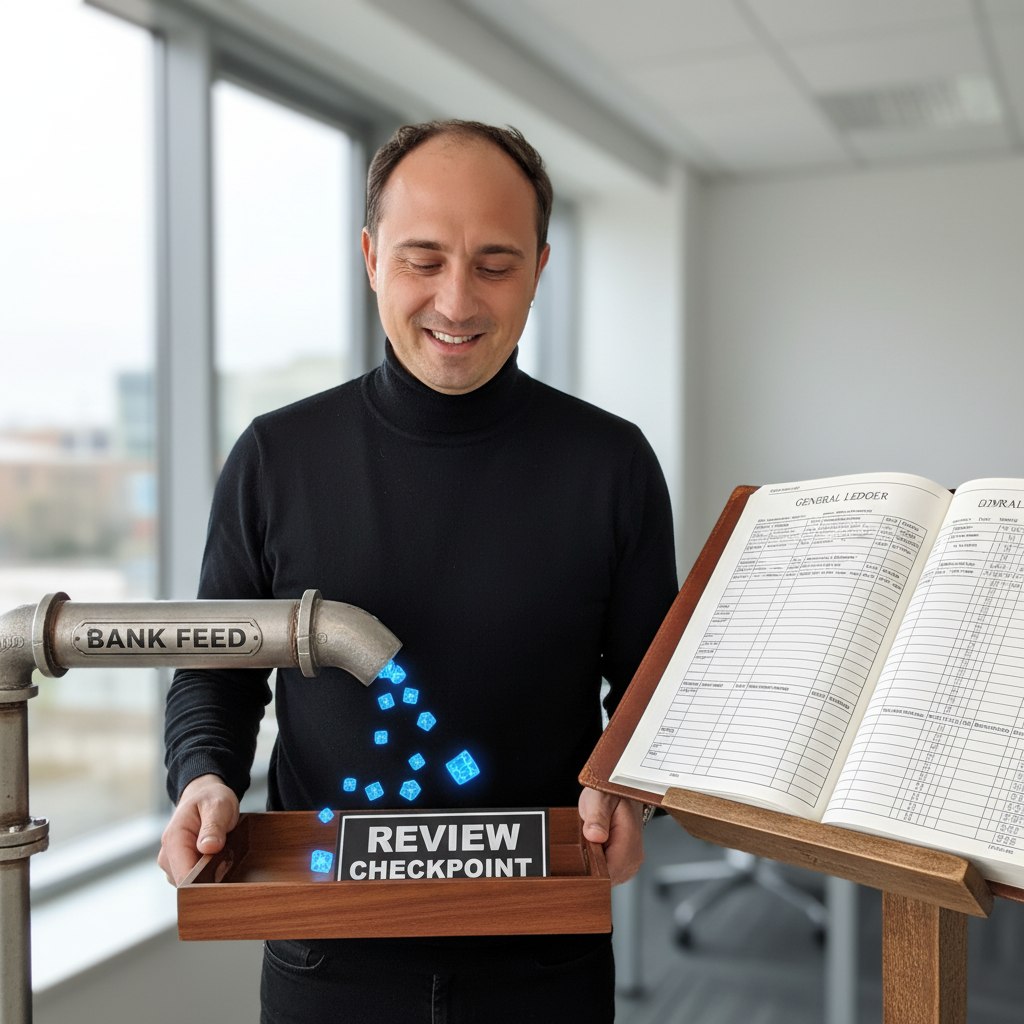
May 3, 2026
Bank feeds post directly to the GL without a checkpoint. I've seen what that costs at month-end. The fix isn't less automation — it's building the right layer between the data and the books.

Apr 28, 2026
Messy processes are the ones worth mapping first: hidden exceptions, tribal knowledge, and the point where automation should wait.
If you have a manual workflow between tools, I can help map the logic, design the system, and automate it in a way your team can actually use.
