

The real version. Not the clean one.
Every time I do this, I find another hidden problem. An exception nobody wrote down. A step that only one person knows about. And honestly? Every time I feel like an imposter.
Everyone else’s automation posts look so clear and structured. And the processes I get look… awful.
But then I realized that is actually the point. If the process was already clean and obvious, they would not need me. They would just follow the instructions themselves.
Messy processes mean I am dealing with something real.
So I stopped being ashamed of the chaos. I just work through it.
And sometimes, after mapping everything, I tell them: this process simply is not ready to automate yet.
That is not failure. That is the most valuable thing I can say.
But if after all that we still want to move forward, I ask three questions:
No? Fix the process first. Yes? Then automate.
The hard part is not the tech.
It is the honest look at what is actually happening inside the business.
Have you ever mapped a process and realized it was not ready?
Three nearby posts worth opening next.

Apr 13, 2026
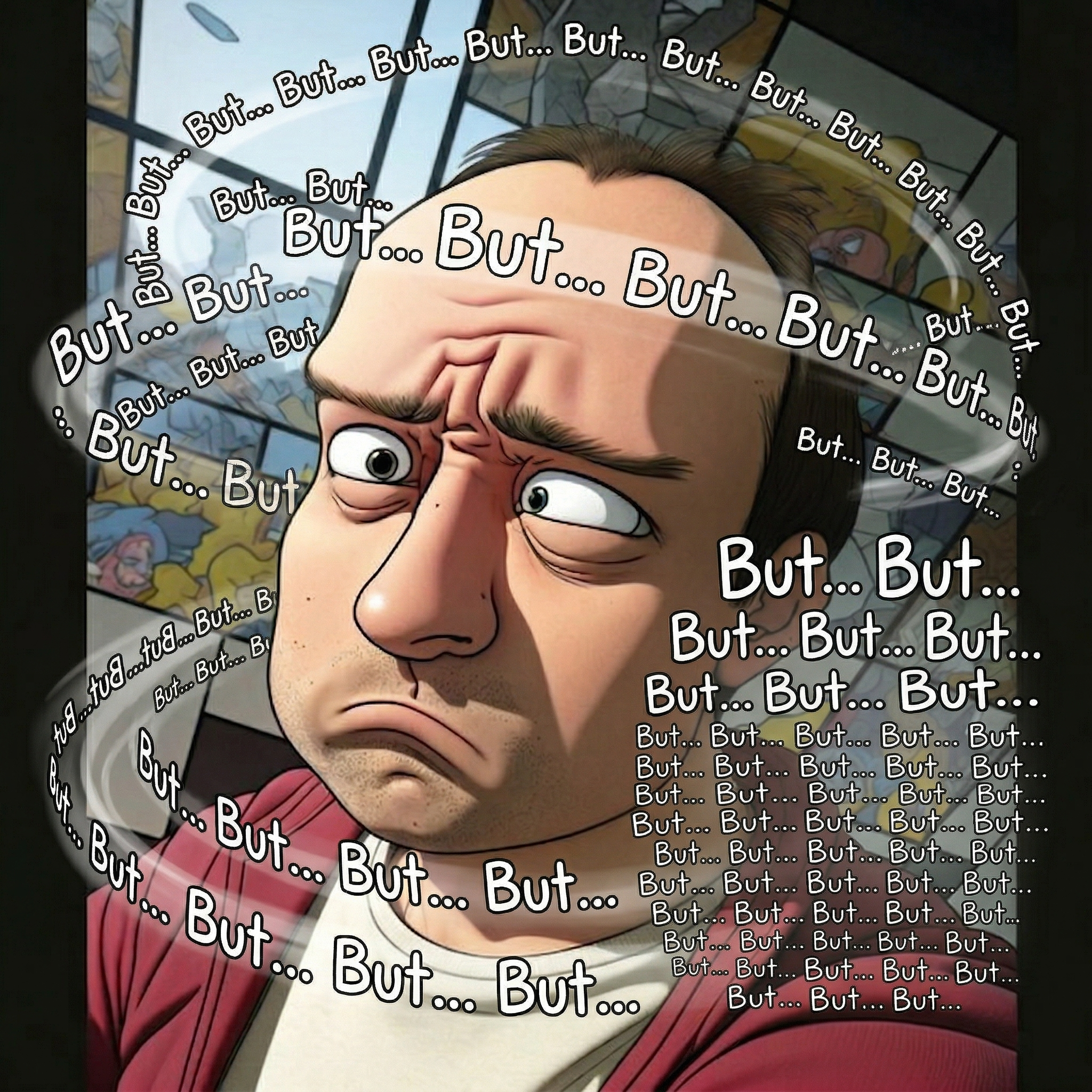
The most important parts of a process are often the invisible pauses between visible triggers. That is where delays, distractions, and real dependencies usually live.
Apr 9, 2026
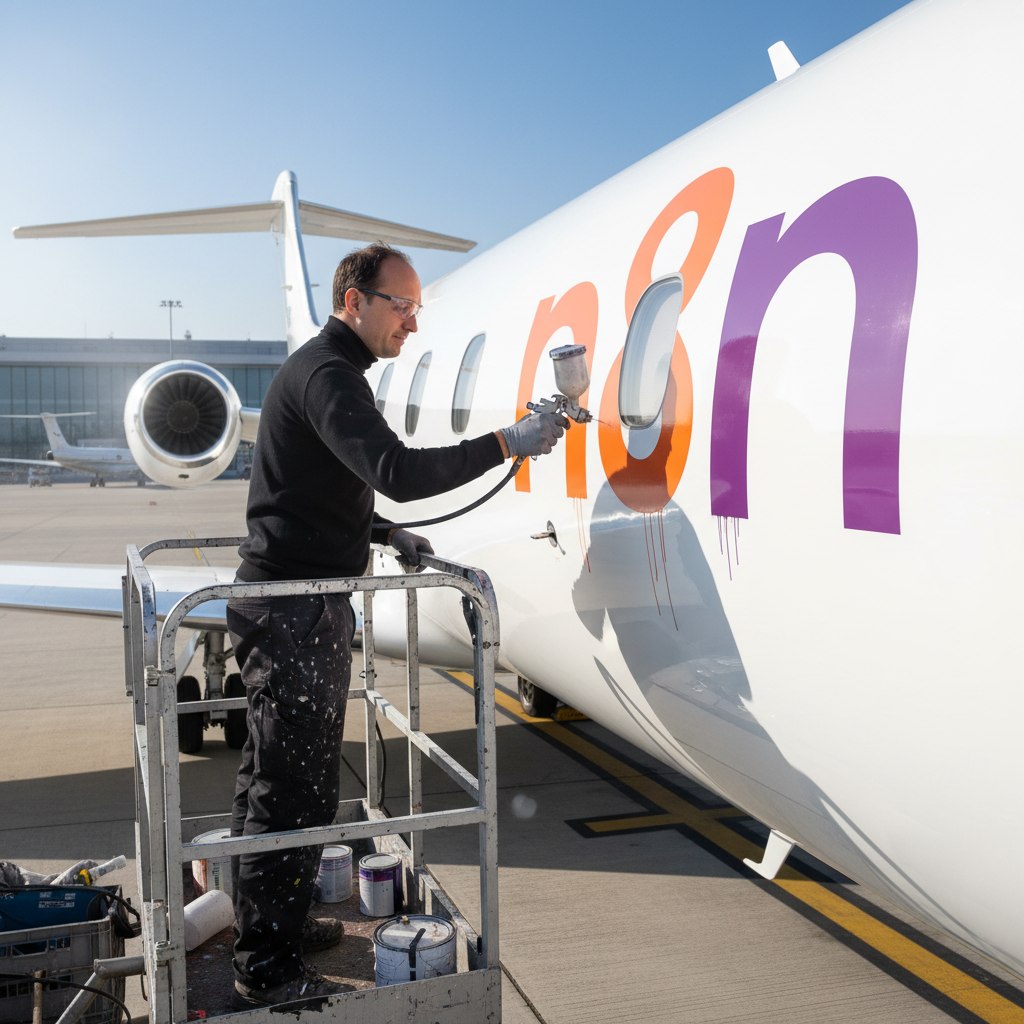
Automation ideas always sound simple at first. The real work starts when the business, the tools, and the constraints force the solution into something stranger but more real.
Apr 8, 2026
A charter-flight job post was a reminder that the industry changes, but the operational problems stay the same: bookings, payments, refunds, communication, and systems.
If you have a manual workflow between tools, I can help map the logic, design the system, and automate it in a way your team can actually use.
