

She was a senior accountant. Good at the job. Bored.
Not because accounting is boring — it isn’t, not if you’re doing the right parts. But she spent most of her time on reconciliations and report assembly, and she knew it could be done differently.
She started with Power Query. Then Python. Then SQL. Three years later she’s a data analyst, $20K more per year, doing work she finds genuinely interesting.
The part of that story that usually gets left out: the automations didn’t just save her time. They showed her what she was capable of.
I think about this when I’m building something that feels small — a reconciliation that saves two hours a week, a report that runs automatically instead of manually. The immediate value is obvious. But the person who builds it also learns something real: how data flows between systems, where it breaks, what the process actually does versus what everyone assumes it does.
That knowledge compounds.
If you’re in accounting and curious about automation but haven’t started — Power Query is still a good entry point. It lives in Excel, which you’re already using. It removes the biggest barrier (learning a new environment) while teaching the most useful skill (thinking about data transformation as something repeatable and predictable).
You might save a few hours a week.
You might also discover what you actually want to be working on.
Both are good outcomes.
Three nearby posts worth opening next.

May 6, 2026
PDF invoice extraction is the easy part. The hard part is what happens when the invoice doesn't look like an invoice.
May 5, 2026
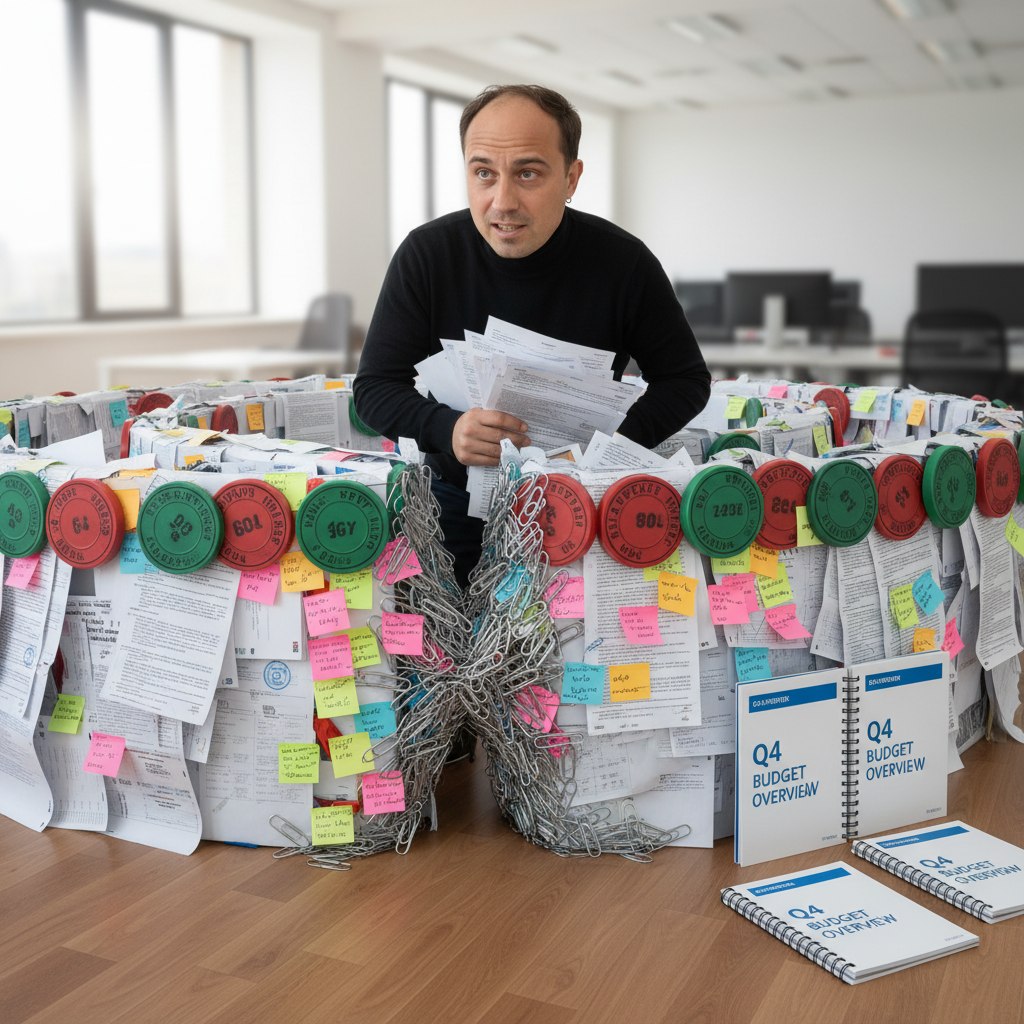
Most close automation focuses on pulling data faster. The real bottleneck is almost always the approval routing — the back-and-forth that nobody mapped.
May 3, 2026
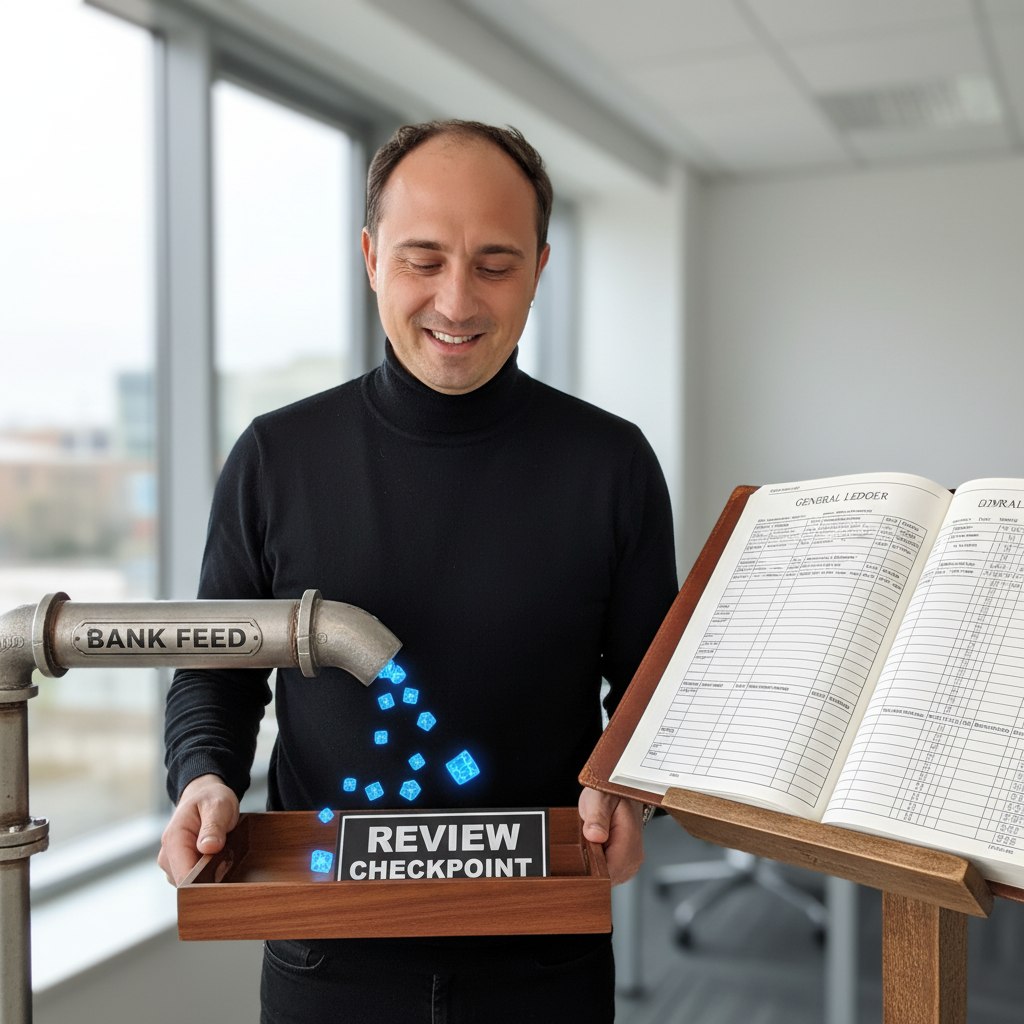
Bank feeds post directly to the GL without a checkpoint. I've seen what that costs at month-end. The fix isn't less automation — it's building the right layer between the data and the books.
If you have a manual workflow between tools, I can help map the logic, design the system, and automate it in a way your team can actually use.
