
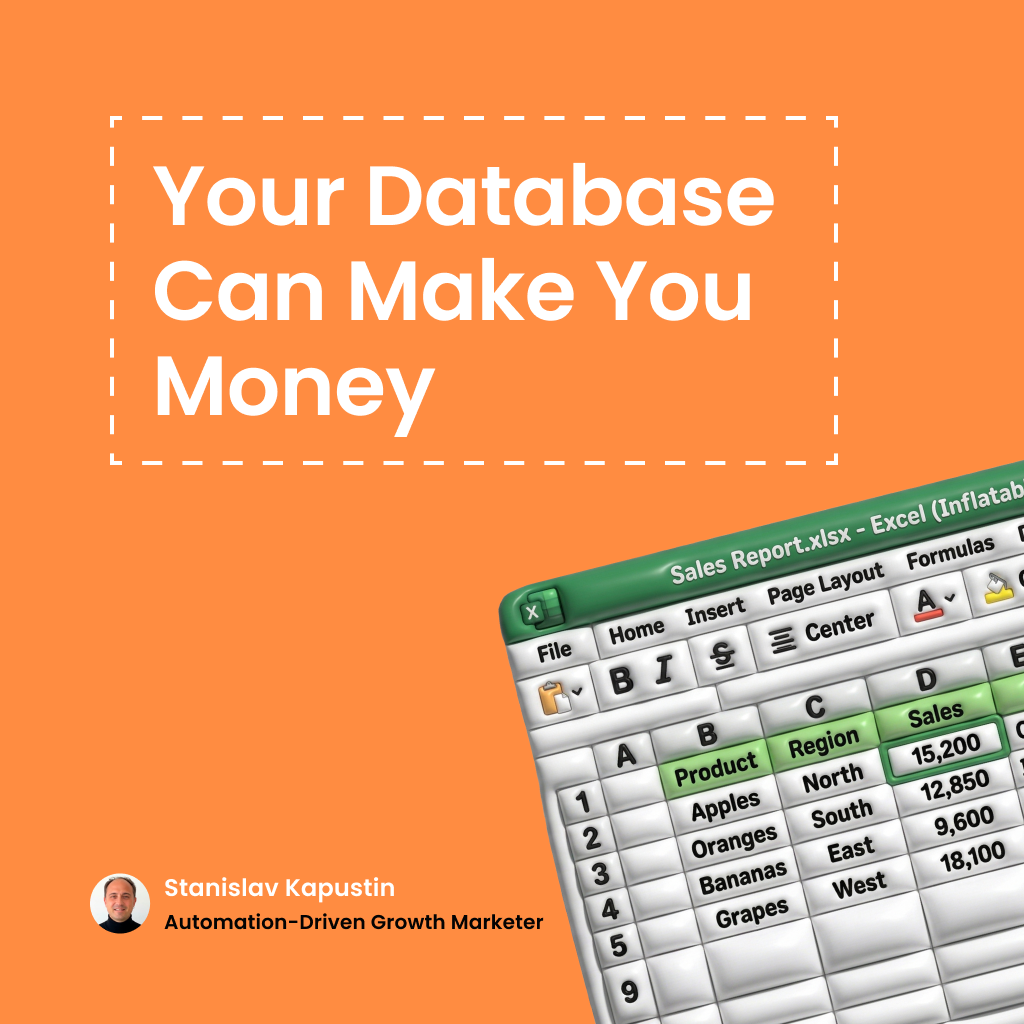
Your database can make you money.
Not eventually.
Not with a massive rebuild.
Right now, with what you already have.
Let me walk through a concrete example.
A recruitment company.
Hundreds of verified candidates, each one interviewed.
Most were never placed.
They just settled into a spreadsheet.
The value is sitting there.
The fee model is one monthly salary per hire.
They just had no way to surface the right candidate fast enough to close deals at scale.
Here is the system that changes that.
An employer writes:
“I’m looking for a sales manager.”
That is not enough.
An AI agent asks the clarifying questions: industry, budget, location, responsibilities.
A conversation.
No forms.
No calls.
Everything accumulates inside the chat.
Once there is enough context, the agent searches the database by keywords, salary range, and location.
It pulls 10 to 20 candidates.
Then OpenAI scores each one against the specific request.
Not keyword matching.
Actual reasoning.
The result is a shortlist of the top 3 fits.
The employer gets three profiles.
No names.
No LinkedIn.
Just role, location, experience summary, and salary expectations.
And one prompt:
“Reply with Profile 2 to request an intro.”
Full details unlock only after confirmed interest.
One hire.
One monthly salary.
You already did the hard work:
You just needed a layer that sells it without you doing it manually every time.
Google Sheets -> n8n -> OpenAI -> Green API for WhatsApp.
No complex infrastructure.
MVP in 2 to 4 weeks.
A database is not an archive.
It is a product that is missing an interface.
Save this.
And ask yourself:
What is sitting in your spreadsheet right now that someone would pay to access?
Three nearby posts worth opening next.
Apr 6, 2026
A small weekend failure on Upwork turned into a reminder that automation often handles errors more calmly and more reliably than humans do.
Apr 1, 2026
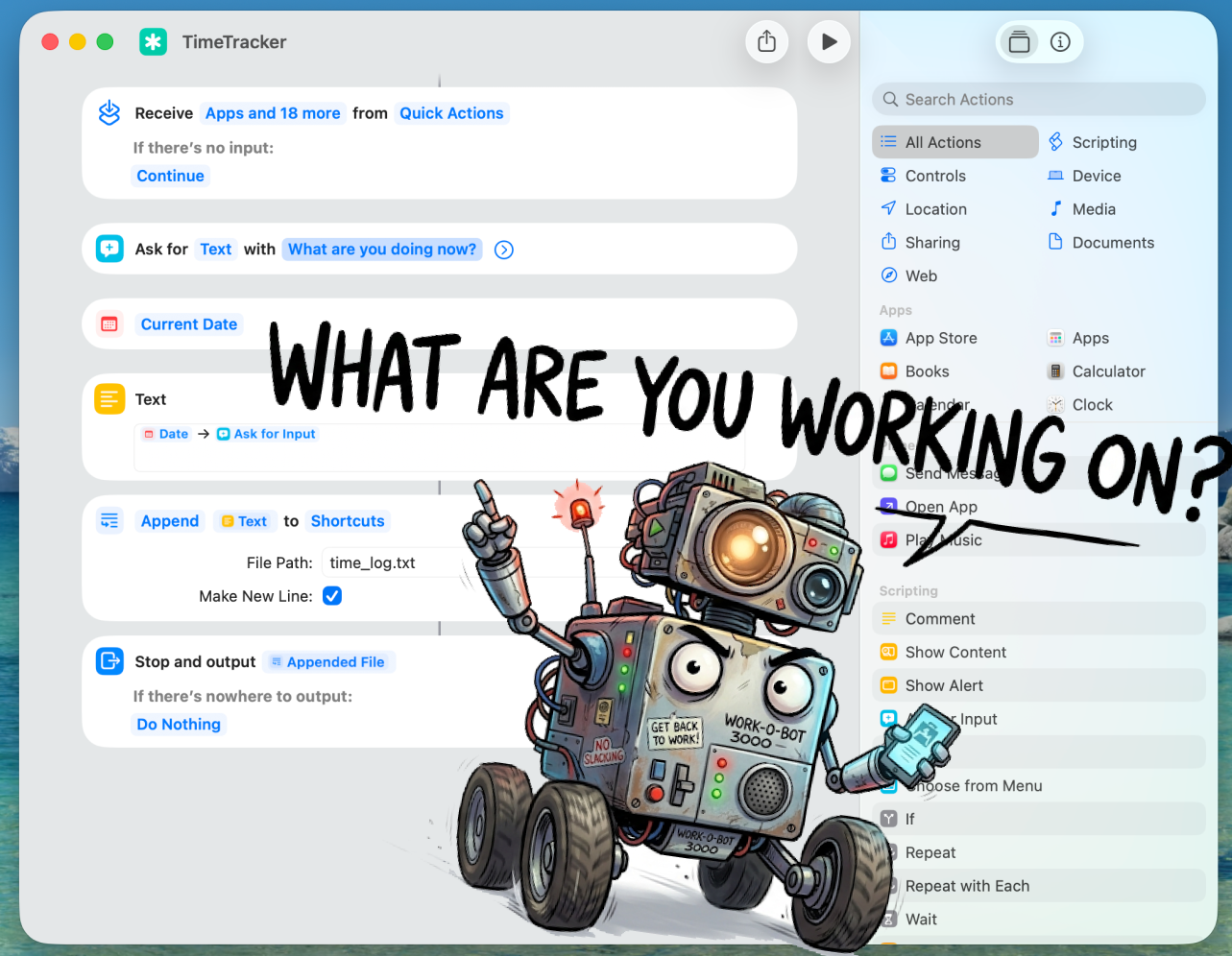
A simple self-tracking system turned out to be more useful than dashboards, screenshots, and productivity subscriptions.

Mar 30, 2026
A broken coffee machine is a good reminder that real users behave like people, not like the system designer hoped they would.
If you have a manual workflow between tools, I can help map the logic, design the system, and automate it in a way your team can actually use.
